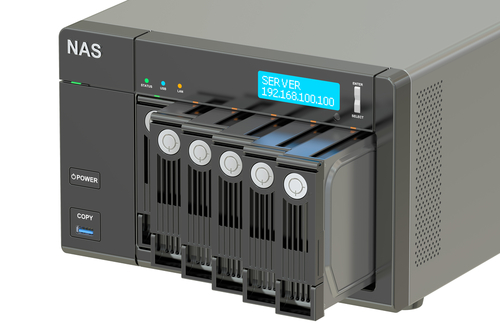
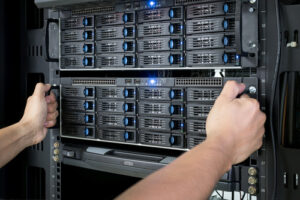
Servers and NAS systems use hardware-based or software-based RAID architectures to manage data storage across multiple hard drives, providing enterprises with an excellent method for storing critical information.
However, these systems are not immune to failures. Design limitations, technical issues, or insufficient support can all lead to system breakdowns. In general, data recovery from these types of “multi-disk” systems is far more complex and time-consuming. We have developed specialized RAID data recovery techniques capable of resolving highly complex reconstruction and recovery challenges in high-performance RAID arrays.
If your data is critical to your business operations, we strongly recommend entrusting your failed RAID system to Vector. We have successfully recovered data from a wide variety of RAID configurations, and our extensive knowledge of RAID systems allows us to identify issues quickly and begin the recovery process immediately—minimizing downtime and inconvenience for your organization.